MATCHA GUIDES
What Is Loaded Tea? How It Differs From Matcha
Loaded tea is a flavored iced-drink category; matcha is a specific green tea ingredient. Learn what changes between the two, what to check on a label, and where to start with colorful fruit-and-matcha drinks.
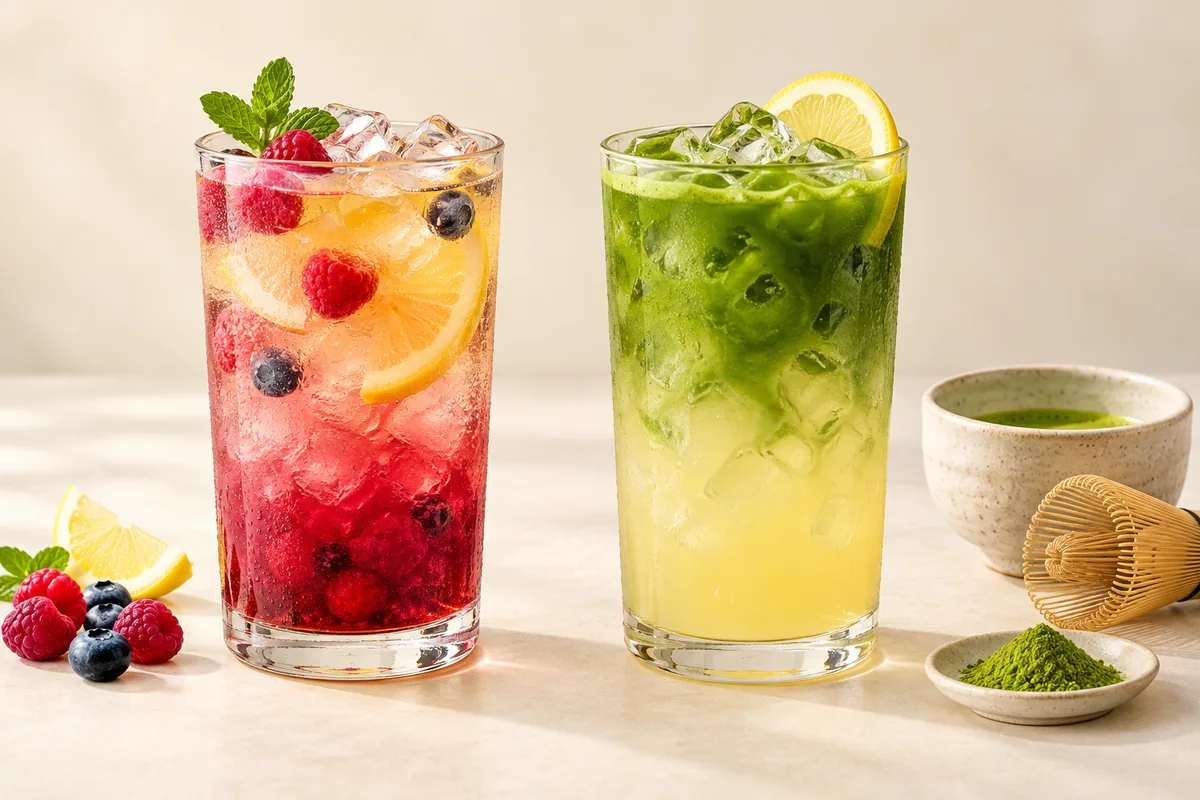
Illustration of two iced-drink styles. Color alone does not identify the tea, additions or caffeine content.
Drinks / Recipes / Cocktails & Mocktails / Gear / Learn
What is loaded tea? / Compare the ingredients / Choose a refresher / Matcha tools
What is loaded tea?
Loaded tea is a broad name for a flavored iced drink made with a tea or energy base, flavor mixes and other additions. Instant tea concentrate, syrups, powdered drink mixes and optional supplements can appear in different formulas. There is no single ingredient list that describes every loaded tea. Mixing your first glass? Start with our guide to making loaded tea at home.
That variability matters more than the color of the glass. Waka’s loaded-tea guide describes instant tea with flavorings and other ingredients, while The Loaded Tea Shop’s guide describes tea or energy bases and its own packet approach. Read the chosen formula rather than assuming all drinks with the name are equivalent.
Matcha describes a specific tea ingredient. Pure matcha is finely milled tencha, a shade-grown green tea. Add fruit, lemonade or coconut water and you have a matcha drink whose other ingredients you can name and measure.
Loaded tea vs matcha: the useful differences
The comparison is between a drink category and a tea ingredient. A fruit-and-matcha refresher can share the bright, iced style of loaded tea while using a different formula.
On a phone, swipe the table sideways to compare both columns.
| What to compare | Loaded tea | Matcha refresher |
|---|---|---|
| What the name describes | A drink category with varying formulas. | A drink built around matcha, a specific green tea ingredient. |
| Tea base | Check the formula: instant tea, tea concentrate, energy ingredients or combinations may appear. | Pure matcha powder. A sweetened matcha mix is a different product with its own directions. |
| Flavor and sweetness | Depends on the powders, syrups and additions selected. | Depends on the fruit, lemonade, coconut water or sweetener in the chosen recipe. |
| Caffeine | Check every caffeine-containing ingredient and the serving size. | Matcha contains caffeine. The amount depends on the tea and portion, plus any other caffeine sources. |
| Preparation | Follow the selected formula and each product’s instructions. | Prepare the matcha mixture separately, then assemble the measured refresher recipe. |
The Japan Tea Central Association’s naming definitions distinguish milled matcha from instant tea made by extracting, concentrating and drying soluble tea solids. A green powder is not automatically matcha.
For that reason, do not replace instant tea concentrate with an equal spoonful of matcha and assume the result will be the same. Start with a recipe written for the ingredient you actually have. Our matcha-to-water guide explains separately prepared tea bases.
Read three things before you mix
- The full ingredient list. Identify the tea, flavoring and sweetener. Look for any energy mix, caffeine or guarana in the formula rather than judging from words such as “natural” or “tea.” Our loaded tea packet guide compares serving sizes and ingredient lists across different mixes.
- The caffeine amount and its serving. A packet, a bottle and one serving are not necessarily the same quantity. Include caffeine from every ingredient in the finished drink. If the amount is unclear, ask the maker.
- The finished-drink instructions. Check how much water, ice and flavoring the formula calls for. A sweetened mix, a pure tea powder and a ready-made lemonade need different preparations.
For a concrete example, Herbalife’s Peachy Tropical Tea combines tea concentrate with several other products. The maker lists approximately 160 mg caffeine for its one-portion recipe. That figure belongs to that recipe; it is not a standard for every loaded tea.
The FDA advises considering caffeine from all sources and notes that individual sensitivity varies. A naturally occurring source is not automatically safer than added caffeine. Our fruit-matcha recipes do not assign an unmeasured caffeine total or promise a lower-caffeine drink.
Make the matcha version
Three routes into fruit & matcha refreshers
Choose the flavor and texture first, then follow a complete recipe. You can get a colorful iced drink from matcha and fruit without adding energy or supplement powders. For a version with brewed green tea, try our melon berry loaded tea with watermelon, strawberry and lime. Naoki’s own recipe collection includes apple, pink coconut water and lemon-soda matcha, preparing the tea separately before the final pour.
Fresh citrus
Matcha lemonade
A measured lemon, syrup and tea build, with still, sparkling and four-serving options. The guide also gives a strawberry-syrup starting variation.
Five flavor directions
Fruit & sparkling mocktails
Find strawberry, mint-lime and coconut-citrus drinks alongside lemonade and tonic. Follow the quantities for the glass you choose.
Bitter-sweet bubbles
Matcha tonic with lime
A separate recipe for regular tonic water, cooled matcha and lime. Tonic and plain sparkling water contribute different flavors.
For a fruit layer, the strawberry syrup guide defines the homemade syrup and its uses. Follow the chosen drink’s quantities rather than adding fruit, syrup and lemonade without measuring. Stir a layered drink before judging its final flavor.
A small setup for the matcha route
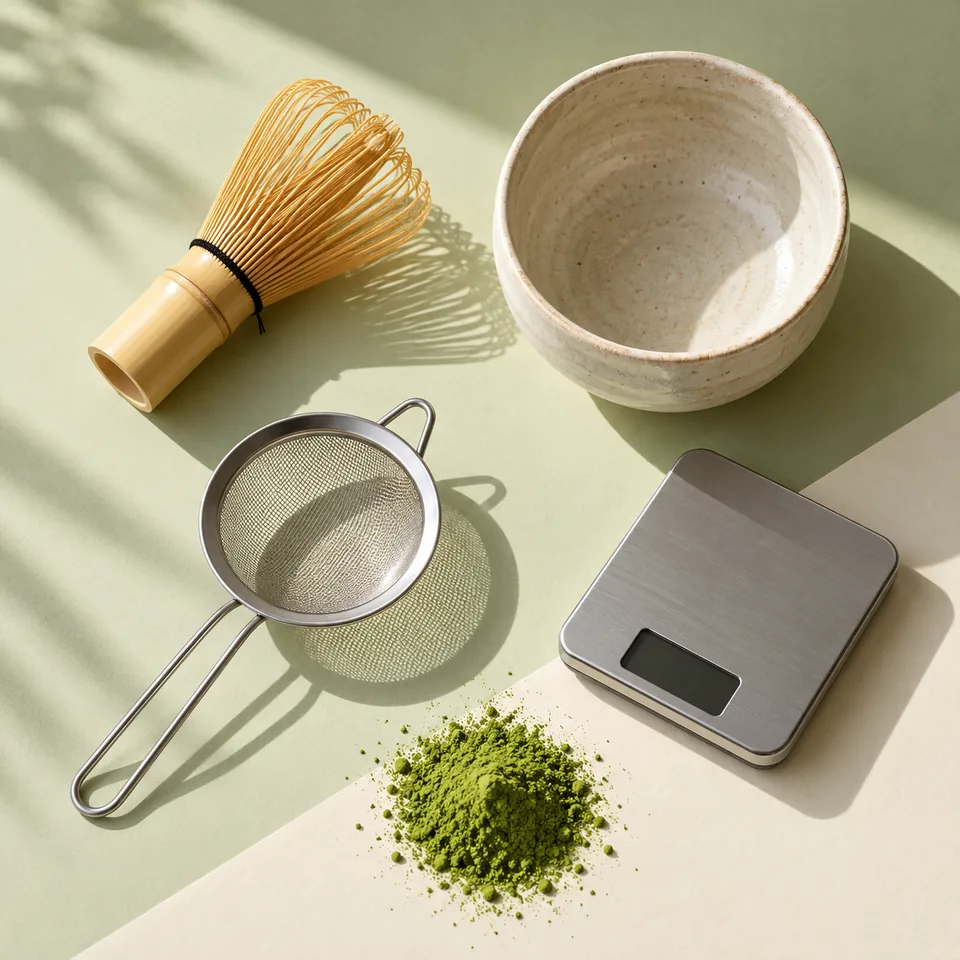
You do not need a cabinet of energy powders to follow the matcha recipes above. Start with pure tea, a suitable heat-safe mixing bowl and the tools your chosen recipe needs.
As an Amazon Associate I earn from qualifying purchases. The links below are affiliate links.
Naoki Superior Blend · 40 g
A pure matcha option for a separately prepared tea base. Measure the amount in your recipe; it is not a sweetened lemonade mix.
OXO 3-inch mini strainer
A fine mesh strainer for sifting matcha before whisking. It is one strainer, not a complete matcha kit.
Jade Leaf whisk & scoop
Two bamboo tools for preparing matcha. This set does not include a bowl, sifter, whisk holder or tea; use a scale where the recipe specifies grams.
Check the selected product and current offer details before ordering. For a fuller setup, use our kitchen tools guide or starter-kit guide.
Common questions
Is loaded tea the same as matcha?
No. Loaded tea is a variable drink category; matcha is a specific milled green tea ingredient. Check the actual formula if a shop or recipe uses both terms.
Can I use matcha instead of instant tea powder?
Use a recipe developed around matcha rather than assuming a spoon-for-spoon substitution. Matcha and dried soluble tea extract are different formats, so their preparation and amounts need not match.
Are loaded teas always sugar-free?
No single sweetness claim covers every formula. Read the complete ingredient and nutrition information, including any syrup, juice or other mix added during preparation.
Do matcha refreshers need an extra energy mix?
The linked MatchaMixology recipes use matcha as their tea ingredient and do not require an extra energy mix. Matcha itself contains caffeine; a fruit flavor or an alcohol-free recipe does not make the drink caffeine-free.
Sources & next steps
This guide compares ingredient formats using manufacturer descriptions, Japanese tea-industry definitions and FDA caffeine guidance. The recipe cards lead to complete MatchaMixology methods; the comparison itself is an editorial guide.
- Japan Tea Central Association: green tea naming and definitions — matcha and instant tea are listed separately.
- Waka: loaded-tea ingredients and formats and The Loaded Tea Shop: its mixing approach — examples of varying formulas.
- FDA: caffeine sources, labels and sensitivity.
- Naoki: fruit-and-matcha preparation examples.
Browse fruit & matcha refreshers or return to matcha basics to choose your next step.
KEEP EXPLORING