MATCHA RECIPES & GUIDES
Matcha Whisk vs. Electric Frother
A bamboo matcha whisk and an electric handheld frother can both help mix a latte, but they fit different routines. A chasen gives you a manual whisking step in a bowl. A handheld frother uses a rotating head and can also prepare milk foam when the model is intended for it. Choose around your drink, vessel, and cleaning habits.
This guide compares how bamboo whisks and electric frothers fit different preparation routines, including mixing, cleaning and storage.
What the bamboo whisk does
A chasen is a bamboo utensil made for preparing matcha. It works with a bowl that leaves space for the whisk to move. Sift the powder first, add water, and whisk with a quick back-and-forth movement instead of pressing the tips against the bowl.
As a published example, Ippodo’s iced latte recipe uses 3 g matcha and 100 mL water at 80°C / 176°F. It directs about 15 seconds of whisking in an M-shaped motion before adding the tea to milk and ice. Those quantities and timing belong to Ippodo’s recipe; other powders and recipes can give different instructions. See the preparation method.
Keep the bamboo whisk for tea and water. Ippodo advises adding milk after whisking, soaking the tips in water for one to two minutes before use, rinsing promptly without soap, and drying in open air. It also advises replacing a whisk with broken tips. Read its chasen care guide.
What the handheld frother does
Here, “electric frother” means a handheld wand, rather than a countertop appliance with a heated jug. Check that your model permits mixing matcha, and follow its directions for liquid temperature, cleaning, and operation.
Use a vessel with enough depth to cover the rotating head and enough empty space above the liquid to contain splashes. Place the head in the liquid before switching on. Stop it before lifting it out. Sifting remains a sensible first step; choosing a powered tool does not remove the need to prepare the powder.
Zulay’s official handheld frother page lists matcha mixing among its uses. Its care directions call for rinsing the whisk, wiping the handle, and keeping the handle out of water. The maker also notes that milk’s fat and protein content affect foam thickness. Apply your own model’s instructions rather than assuming every wand behaves alike. See the maker’s use and care information.
Which fits your routine?
- Choose a bamboo whisk if you want a manual preparation step and have room for a bowl and an airy drying spot.
- Consider a handheld frother if you also want to mix or foam milk, and prefer working in a deeper vessel. Check batteries or charging requirements before buying.
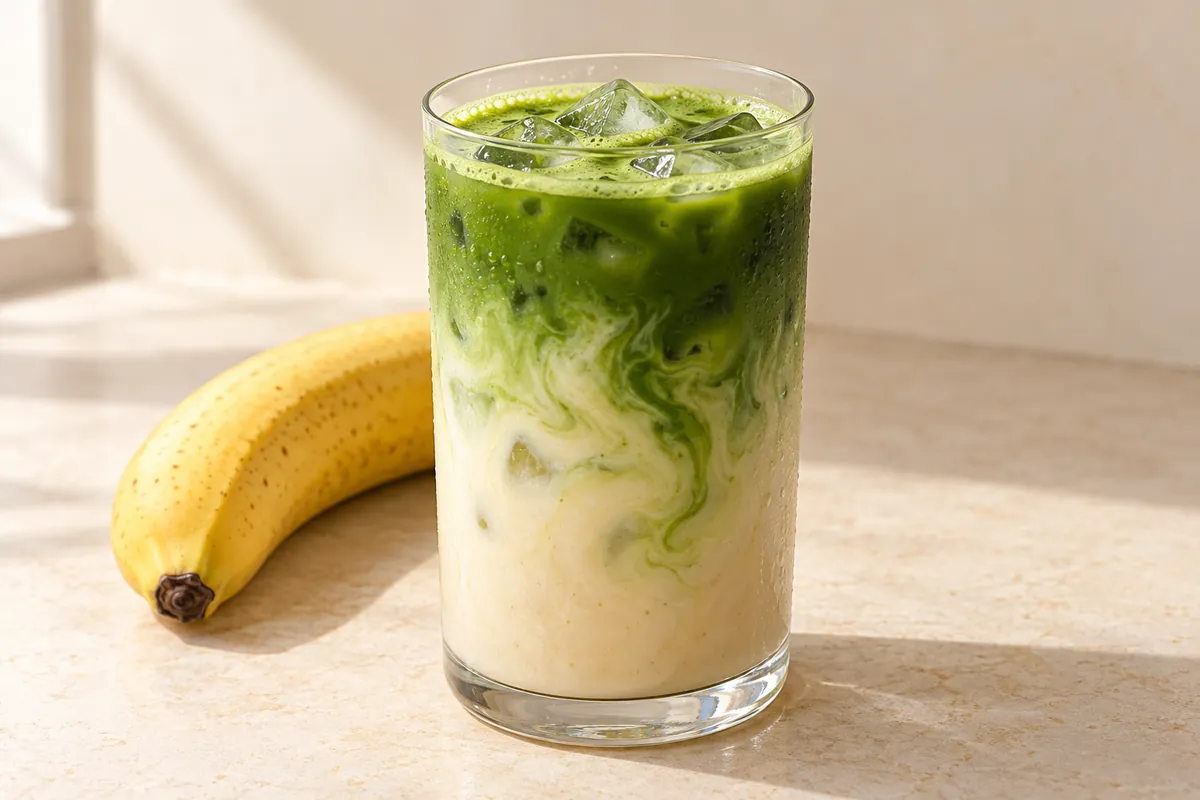
- Use separate steps for a fruit latte: prepare matcha with water, then handle banana milk or cream with equipment designed for those ingredients.
A frother is not a substitute for a blender when a recipe asks you to break down banana pieces. For a banana matcha latte, blend the fruit mixture separately and use your whisk or permitted frother for the tea base.
Compare fairly before buying again
Keep powder weight, water quantity, temperature, and milk the same when trying different tools. Notice clumps, splashes, cleanup, and how comfortably the tool fits your vessel. If the drink tastes weak, revisit the ratio and matcha selection checklist before assuming equipment is responsible.
Start with what you own. If you need another tool, check its care requirements and intended uses first. Use our buying guide to plan the ingredients and equipment for your preparation routine.
As an Amazon Associate I earn from qualifying purchases. Browse my Amazon storefront.