MATCHA RECIPES & GUIDES
How to Choose Matcha for Lattes
Choose matcha for the latte you actually make. A lightly sweetened drink with a small amount of milk asks something different of the tea than a large banana latte with a cream topping. Begin with your usual recipe, then compare ingredient lists, preparation guidance, pack size, and cost per serving.
Use this buying checklist to compare matcha powders with your usual drinks, preparation routine and budget.
Read the ingredient list first
Check whether you are buying unsweetened matcha or a latte mixture containing sugar, milk powder, or other ingredients. Both can have a place in a kitchen, but they require different recipes. A recipe calling for unsweetened tea should not be followed blindly with a presweetened mixture.
Unsweetened matcha lets you adjust banana, syrup, or other additions separately. With a latte mix, follow the package’s serving directions first and taste before adding more sweetener. Compare the quantity of tea you are getting, rather than judging packages only by their total weight.
Use the maker’s description as a starting point
Look for a suggested preparation method and a description of the flavor. A seller recommending a tea for lattes gives you a useful starting clue. Words such as rich, brisk, mellow, or astringent describe intended characteristics; they are not a guarantee of what you will taste in your own milk.
A “ceremonial,” “premium,” or “latte” label also cannot predict your personal preference. Read beyond the front label. Favor listings that explain what the product is, who supplies it, where it comes from, and how to prepare it. Avoid using color in an edited product photo as your only quality check.
Keep the recipe consistent when comparing
Measure powder by weight if you have a suitable scale, and hold milk, water, and sweetener quantities steady. Otherwise, it is difficult to know whether a difference comes from the tea or the recipe.
For one published reference, Ippodo’s iced latte uses 3 g matcha, 100 mL water at 80°C / 176°F, and 100 mL milk, plus ice. It calls for sifting and whisking before pouring over milk. This is that maker’s recipe, not a universal ratio. Read Ippodo’s preparation instructions.
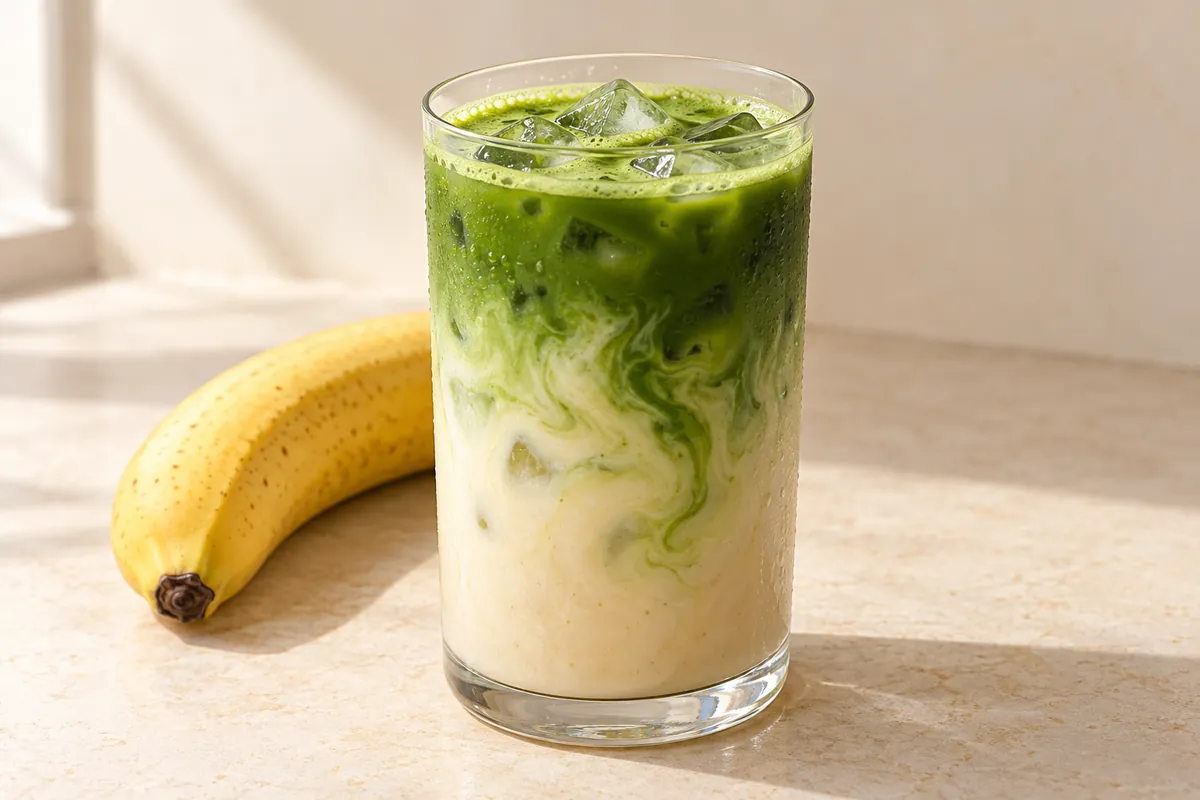
If you usually make fruit drinks, try your candidate tea in that same drink. Explore the banana matcha latte guide for two ways to combine fruit and tea. Keep a plain version alongside the flavored one if you want to understand what each addition changes.
Compare cost per serving and pack size
Use this calculation: package cost ÷ grams in the package × grams used per drink. For example, a 30 g pack provides ten 3 g portions before any handling losses. This is portion arithmetic, not a promise about value or freshness.
Include delivery charges when comparing purchases. A larger package may reduce the cost per gram, but a smaller pack can be a practical first purchase when you are unsure you like the tea. Check the maker’s storage directions and date information before deciding how much to buy.
Check preparation before changing products
If a latte seems weak, adjust the recipe in measured steps. If it is clumpy, revisit sifting and mixing. If it seems too sweet, check the milk and syrup as well as the powder. Our whisk and frother guide explains how to organize the mixing step.
Keep a short shopping note: unsweetened or blended, intended use, pack weight, preparation directions, and estimated portion cost. That makes your next comparison more useful than collecting rankings. Use the buying guide to organize the details you want to check before purchasing.
As an Amazon Associate I earn from qualifying purchases. Browse my Amazon storefront.